
Why You Keep Having the Same Argument (and It's Not About What You Think)
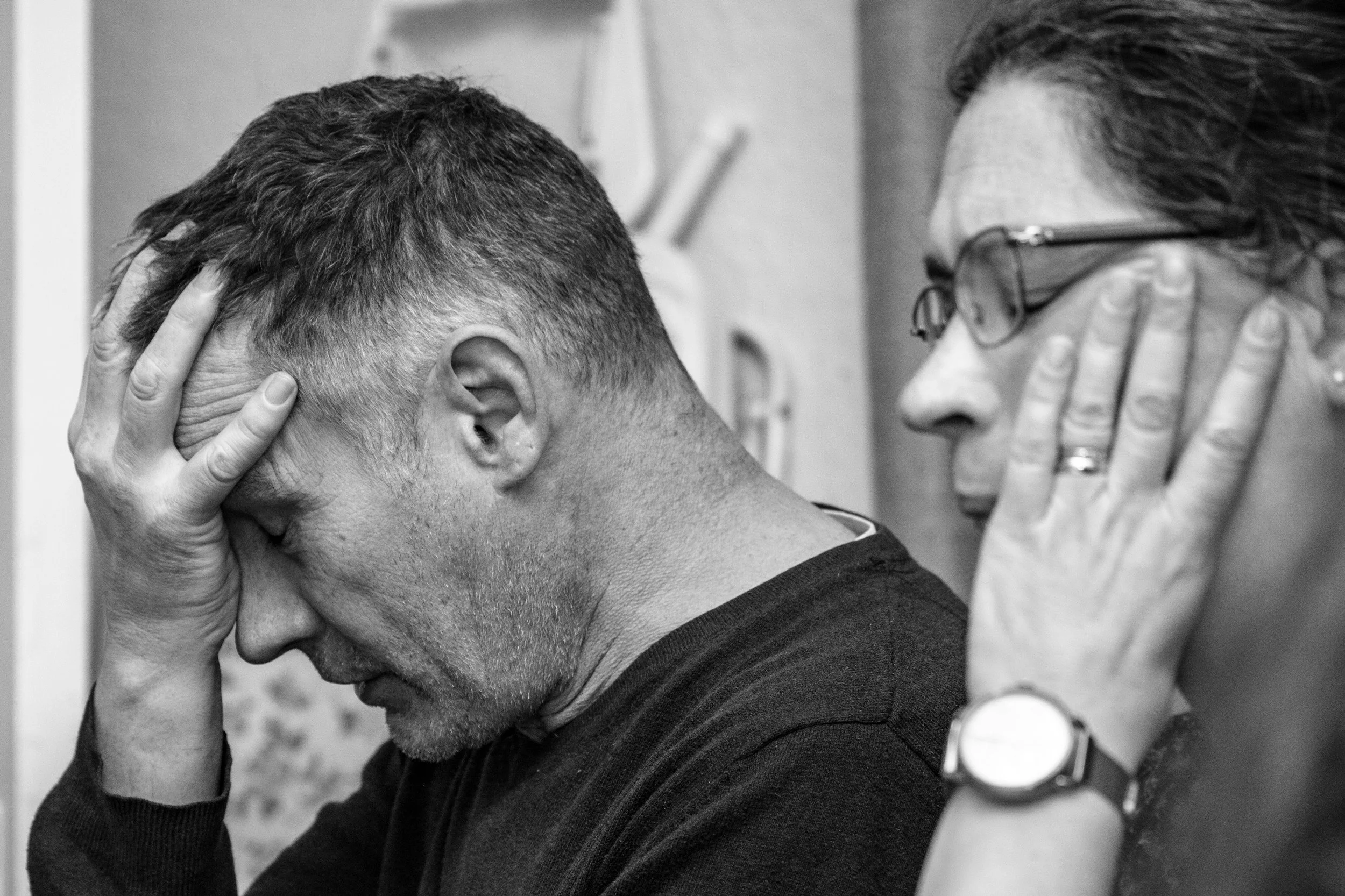
Most couples don't come to counselling because of one single argument but because they keep having the same one.

The topic might change though.

One week it's about housework, the next it's about parenting. Then it's about money, family, intimacy, tone of voice. Even though the topic changes, the pattern often feels familiar.

One person feels unheard. The other feels criticised. One pushes harder. The other shuts down. The conversation escalates or ends with both people feeling alone.
Repeated arguments are usually a pattern
More of than not, it's not that you need better words or a clearer explanation. It's that you're both caught in the same cycle of arguing.

Gottman's research found that around 69% of conflict in relationships involves perpetual problems. These are problems that don't fully resolve because of differences in personality, needs or values. Most couples aren't failing to find the right solution. They're caught in a pattern that keeps the same hurt circling.

That's why it can feel automatic. You hear a certain tone and already 'know' where things are going. You see a facial expression and feel yourself brace. You stop bringing things up because you already know how it will end.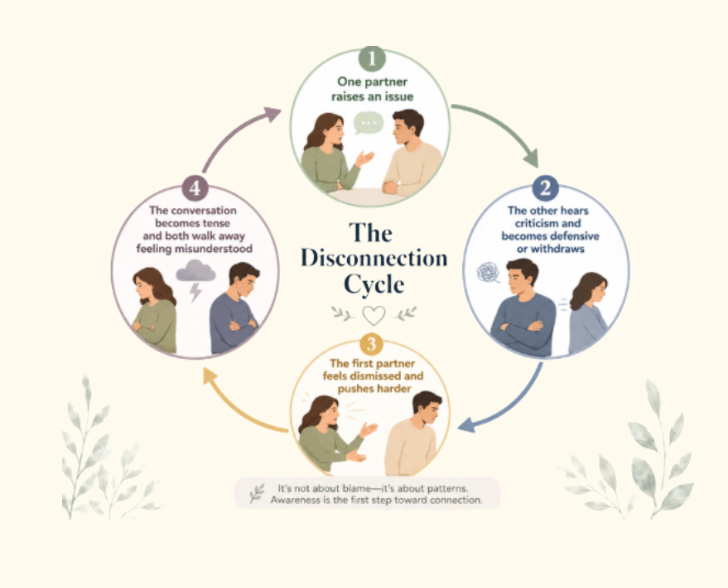
The argument underneath the argument
Most arguments in relationships have two layers: what's being said and what it means to the person saying it. For example: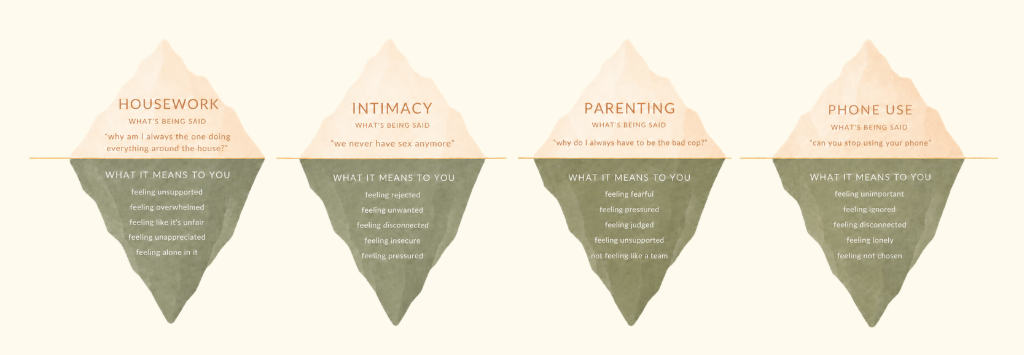
When only the surface issue gets talked about, the true meaning of the issue is unheard.

The person who was asked to help more around the house might genuinely do more and it still doesn't feel like enough. The person who was asked to be on their phone less might put it away and their partner still feels distant.

The task gets done, but for some reason, that unsettling feeling is still there. So next time, it shows up again during a different topic.

This is why the cycle is so hard to break in the moment. When the same patterns keep repeating, you start responding to the pattern rather than what's actually happening.

One person may become louder because they're trying to be heard. The other becomes quieter because they're trying not to make things worse. One of you may be thinking "they just don't care". The other may be withdrawing because they're thinking "I can't do anything right".

Neither of you feel understood and neither of you feel safe enough to really talk about what's going on.
What the argument is often really about
Underneath most arguments, there are often questions about whether the other person cares or not.

Do I matter to you?
Can I rely on you?
Do you understand what this feels like for me?
Are we in this together?

When those questions remain unanswered, the argument feels bigger than the issue itself. It's not just about the dishes or the bedtime routine or the way something was said. It's about what those moments have come to represent.
Something to try this week
The next time you notice the same argument starting, try pausing and asking yourself one question before you respond.

What am I actually trying to say underneath this?

When you know the answer to that, try saying that instead of what you'd normally say.
How counselling can help
Counselling can help slow the pattern down before it takes over.

Together, we can look at what happens before things escalate, what each person is actually feeling during conflict, what each person is trying to protect and what keeps getting lost in translation.

Because conflict is part of any close relationship, so the goal isn't to get rid of it. It's to help it feel less like a threat and more like something you can actually manage together.
Ready to talk?
If you keep having the same argument and feel stuck in a pattern, that's not a sign that things are too far gone. It usually just means you need a different way in.

Better Days Counselling offers couples counselling in Melbourne, with in-person sessions in Mont Albert North and online sessions available. If you're ready to take that first step, you can book an initial session here.

If you're not quite there yet, you're welcome to reach out with a question first or you can start with the In-Between Service, which is four weeks of personalised email support for people who know something needs to change but aren't ready for counselling yet.